


Understanding the psychological triggers that drive gambling behavior
The Allure of Risk and Reward
Gambling is often driven by the fundamental human attraction to risk and reward. The thrill of potentially winning a large sum of money can trigger intense emotions, leading players to engage more frequently in gambling activities. This craving for excitement often outweighs the logical considerations of the odds stacked against them, creating a cycle of behavior that can be hard to break. Many enthusiasts find platforms like pin up casino especially compelling due to their engaging offerings.
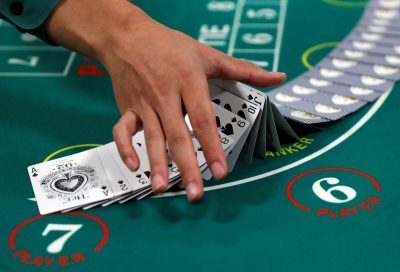
This psychological phenomenon is closely linked to the concept of reinforcement. When a player wins, even if it’s a small amount, it reinforces the behavior and enhances the anticipation of future wins. The intermittent rewards create a sense of unpredictability that keeps players coming back, as they chase the high of their last win.
The Role of Social Influences
Social factors significantly influence gambling behavior. People often gamble in groups, whether at a physical casino or online, which can amplify the excitement and enjoyment of the experience. Social interactions can provide validation for risky choices, making individuals more likely to take chances they might otherwise avoid.
Additionally, cultural attitudes toward gambling can shape individual behaviors. In some cultures, gambling is seen as a form of entertainment and social bonding, while in others, it may be stigmatized. These varying perspectives can either encourage or discourage gambling, depending on the social context. For instance, some communities may celebrate the excitement of places like pin up casino, while others may view it with skepticism.
Cognitive biases play a crucial role in how individuals perceive gambling outcomes. For instance, the illusion of control leads players to believe they can influence random outcomes through skill or strategy. This misconception can make gambling more appealing, as players feel empowered in their decisions.
Another common bias is the gambler’s fallacy, where individuals mistakenly believe that previous outcomes will affect future results. For example, after a series of losses, they may feel that a win is “due,” compelling them to continue gambling despite the inherent randomness of the games.
Many gamblers turn to gaming as a form of escapism from daily stresses and emotional burdens. The excitement of gambling offers a temporary reprieve, allowing individuals to forget their problems and immerse themselves in a world of risk and potential reward. This emotional trigger can lead to repeated gambling behavior as individuals seek that escape.
Furthermore, the highs and lows associated with gambling can create a rollercoaster of emotions. The thrill of winning can elevate mood, while losses may lead to feelings of despair. This emotional volatility can drive players to gamble more, hoping to recapture the highs they previously experienced.
Experience Gaming at PinUp
At PinUp, we understand the psychological aspects that drive gambling behavior and strive to provide an engaging and responsible gaming environment. Our platform offers a diverse array of games tailored for Indian players, ensuring that each gaming experience is thrilling and memorable. With user-friendly navigation and secure transactions, you can enjoy your favorite games with peace of mind.
Whether you’re drawn in by the excitement of casino games or the thrill of sports betting, PinUp provides a unique atmosphere that enhances your gambling experience. Explore our offerings today and discover how we blend entertainment with responsible gaming practices.
“`
